
Yes, you can board up a window yourself if you can reach it safely from the ground, avoid broken glass, and attach a temporary covering to sound material around the opening. Do not attempt it when glass is unstable, the surrounding structure is damaged, or you cannot identify a safe fastening method. Boarding secures an opening temporarily; it does not replace glass repair or make damaged framing safe.
- Can you board up a window yourself? Yes, for safely accessible openings with sound attachment points.
- Stop DIY window board-up when loose glass, damaged framing, height, or electrical hazards prevent safe work.
- Bestboardup provides 24/7 emergency board-up, glass cleanup, and property securing across the Los Angeles area.
- Keep required exits usable, document damage safely, and arrange permanent repair after temporary securing.
Can you board up a window yourself?
DIY window board-up is appropriate only when you can control the hazards before handling the panel. Having plywood and a drill is not enough. You need safe access, an intact attachment area, a suitable fastening plan, and permission to alter the property.
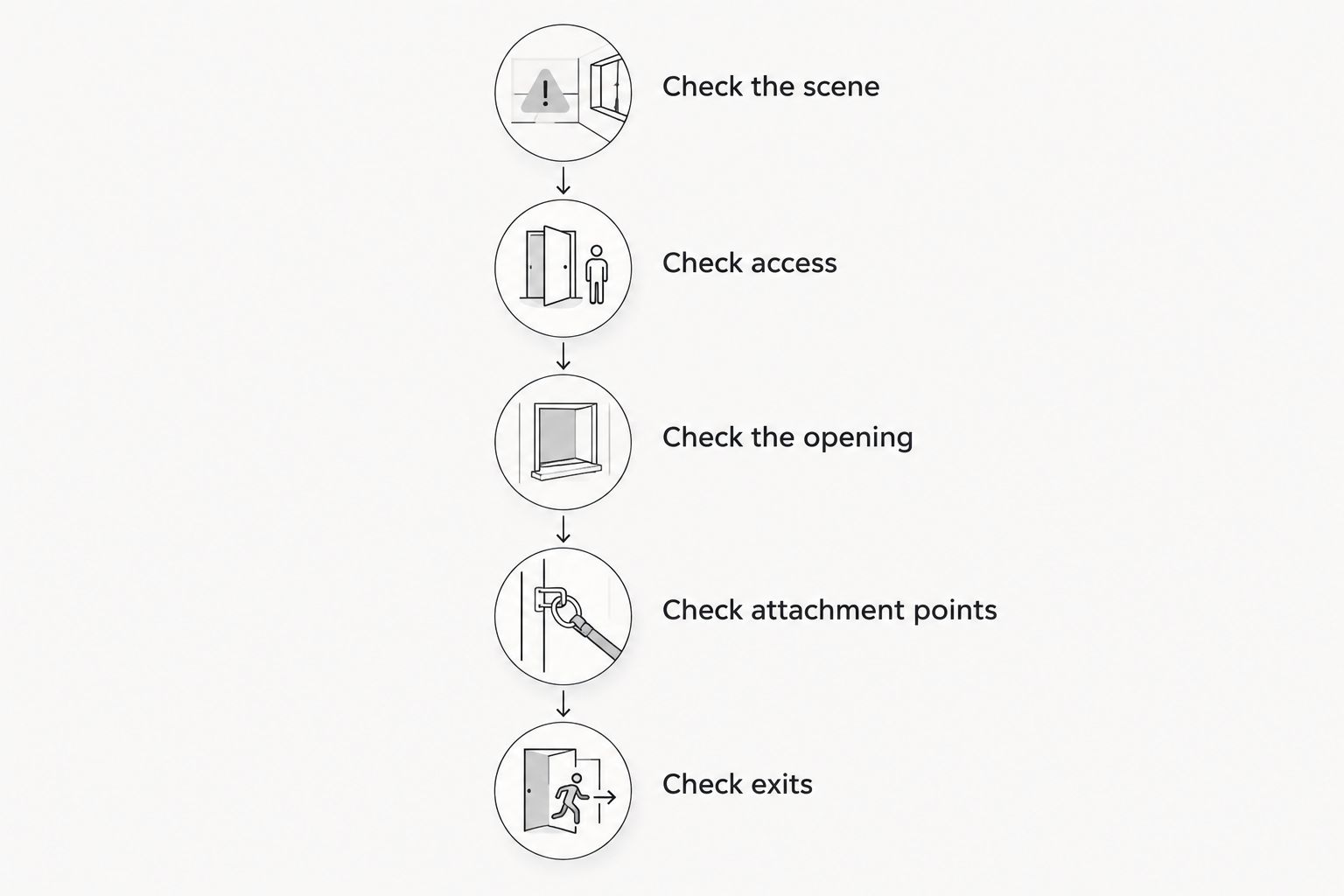
Use this decision sequence before buying materials or moving broken glass. For openings that fail these checks, review the window board-up services in Los Angeles rather than attempting an improvised repair.
- Check the scene. Stay out if an intruder could remain inside, authorities have restricted access, or fire or structural damage makes entry unsafe.
- Check access. Confirm you can work from stable ground without reaching through broken glass or balancing a panel on a ladder.
- Check the opening. Look for loose glass, damaged framing, wet electrical components, and debris in the work area without touching them.
- Check attachment points. Identify sound material and a fastening method suitable for that material. Decorative trim alone is not a fastening plan.
- Check exits and permission. Confirm the covering will not block required escape and that you are authorized to install it.
Stop if any check fails. Do not turn an uncertain opening into a hands-on experiment.
Why this matters
A board hides the opening, but hiding damage is not the same as securing it. Loose glass can remain above the work area, weak trim can separate from the wall, and a poorly attached panel can come loose.
Your immediate goal is to separate people from the hazard and close an exposed opening without creating another danger. For a damaged property in 2026, use that standard—not appearance—to decide whether a temporary board-up is acceptable.
DIY or professional board-up: which fits the damage?
Choose based on the condition of the opening, not whether the job looks small. A small pane with unstable shards can present a greater handling hazard than a larger opening that has already been made safe.
| Approach | Best for | Main advantage | Main limitation |
|---|---|---|---|
| DIY window board-up | Ground-level openings with safe access, sound attachment points, and a known installation method | You control the temporary work when you already have suitable skills and materials | You take responsibility for glass hazards, attachment, and keeping exits usable |
| Professional board-up | Openings with difficult access, uncertain fastening, glass cleanup needs, or urgent securing requirements | You can request help with the damaged opening instead of improvising the installation | Temporary securing still requires follow-up repair; confirm the work scope before authorizing it |
Choose DIY only when every safety condition is satisfied. Urgency is a reason to seek help, not a reason to skip the checks.
DIY board-up: prepare before you cut
Gather eye protection, cut-resistant gloves, sturdy footwear, measuring tools, suitable panel material, and the tools and fasteners required by your chosen installation method. Protective equipment does not make unstable glass safe to handle.
Plan how you will support and position the panel. If you cannot control it without leaning into the opening or working beneath loose glass, stop. Keep children, pets, customers, and other occupants away from both sides of the damaged window.
Professional board-up: explain the actual hazard
When requesting help, describe the window's location, whether glass remains in the frame, whether the wall or frame is damaged, and whether the opening affects an exit. Say if the property has experienced a break-in or fire so access restrictions can be addressed before work begins.
Bestboardup is best for Los Angeles residential and commercial customers who need 24/7 emergency window board-up and glass cleanup. Its stated services also include door board-up and property securing. A temporary covering is not permanent window replacement; confirm what the work includes and what still needs repair.
How to approach a safe temporary board-up in 2026
The sequence below applies only after you have established that DIY work is appropriate. It is not a universal fastening specification: wood framing, masonry, metal framing, and damaged openings require different attachment decisions.
1. Isolate the area
Keep people clear of the damaged window on both sides. Move nearby belongings only when you can reach them without crossing debris or approaching unstable glass.
If the window faces a public walkway or shared access route, prevent people from approaching without redirecting them into another hazard. Do not begin work while occupants are still moving through the work area.
2. Document the damage from a safe position
Photograph the overall opening, visible damage, and surrounding area before altering anything, provided it is safe and authorities permit it. Do not enter a restricted scene or delay urgent safety measures to collect photographs.
For a rental or managed property, notify the responsible person before making alterations. Keep records of authorization, temporary work, and repair arrangements rather than relying on a verbal handoff.
3. Address glass hazards before measuring
Do not reach through broken panes, pull hanging shards, or knock remaining glass out to simplify the opening. Glass left in a frame can shift when the frame or surrounding wall is disturbed.
If you cannot measure and install without approaching unstable glass, use professional help. Glass cleanup and panel installation are separate tasks; being comfortable with a drill does not establish that you can safely clear the opening.
4. Measure for the installation method
Measure the area your selected covering must protect and identify exactly where it will attach. Do not assume the visible pane size is the correct panel size or that a generic overlap will suit every opening.
Check the panel's path into position before cutting. Avoid a design that requires you to squeeze between sharp edges, reach outside an upper-floor window, or hold a large sheet while operating a tool.
5. Prepare the panel away from the opening
Cut and prepare materials on a stable work surface, away from glass debris and pedestrian traffic. Follow the tool manufacturer's safety instructions and keep the panel supported during cutting.
Select fasteners and attachment details appropriate to the substrate and intended temporary use. If you do not know what the fastener will engage, do not drill. Hidden wiring, plumbing, and damaged material are reasons to stop and get qualified help.
6. Install without loading damaged components
Do not depend on remaining glass, loose trim, or damaged framing to support the covering. Never press a panel against protruding shards to force it into position.
Follow the installation method you have verified for the opening. If the panel shifts, the attachment material breaks apart, or the fasteners do not hold as intended, stop rather than adding random screws around the perimeter.
7. Check the result and arrange repair
Inspect the covering from a safe position for movement, exposed sharp edges, and gaps that defeat its purpose. Keep required exits available and confirm occupants know which areas remain off-limits.
Schedule permanent repair after temporary securing. A board-up does not establish that the wall, frame, glazing system, or electrical components are safe to reuse.
Why DIY window board-up difficulty varies
These factors determine whether the work stays within a manageable temporary task or requires professional assessment. Use them as your 2026 decision checklist, not as a substitute for inspecting the actual damage.
- Access height: Ground-level access avoids the added problem of handling a panel while working at height. Do not improvise a ladder installation.
- Remaining glass: Hanging shards and cracked panes change where you can stand, measure, and position materials safely.
- Attachment material: Sound wood, masonry, and metal require different fastening decisions. Damaged material needs assessment before installation.
- Opening size: A panel you cannot control safely is not a solo task. Do not judge handling difficulty from measurements alone.
- Surrounding damage: Fire damage, displaced framing, water near electrical equipment, and unstable wall material can make the opening unsafe to approach.
- Building use: Rental authorization, public access, occupied rooms, and required exits affect how the temporary securing must be planned.
Can you board up a window without drilling?
A no-drill approach requires a system intended for the specific opening and installation conditions. Do not assume tape, friction, or wedged scrap wood will provide secure attachment.
If avoiding damage is your priority, discuss suitable attachment methods before work starts. Avoiding holes does not justify a covering that can fall or be pushed out.
Can you board up a window from inside?
Interior installation is appropriate only when you can work without contacting unstable glass, attach the covering securely, and preserve required escape routes. Being indoors does not remove the hazards at the frame.
Do not lean through an opening to position an exterior panel. If the attachment method requires unsafe reaching, change the plan or get help.
Is a boarded window secure enough to leave unattended?
A boarded window is a temporary barrier, not proof that the whole property is secure. Check doors, other damaged openings, and any access point affected by the same incident before leaving.
Do not treat a tidy panel as confirmation that the installation is sound. If you cannot verify the attachment, arrange an inspection rather than leaving the property on that assumption.
Mistakes to avoid during a 2026 emergency board-up
Do not break out the rest of the glass to speed up the job. That changes the hazard and creates additional debris. Keep away from unstable panes and arrange appropriate cleanup.
Do not use cardboard, fabric, or plastic sheeting as evidence that an opening is secured against entry. A covering that hides the interior is not necessarily a physical barrier.
Do not seal off a required escape opening or assume another exit makes that acceptable. If you are unsure how to protect the opening without compromising escape, get qualified guidance before covering it.
Do not stop planning once the panel is installed. Tell occupants about remaining hazards, record the temporary work, and assign responsibility for permanent repair.
FAQ
Can I board up a broken window myself?
Yes, if you have safe ground-level access, no unstable glass in the work area, sound attachment points, and a verified installation method. Stop if you cannot meet those conditions.
Should I remove broken glass before boarding a window?
Do not remove unstable glass yourself just to make boarding easier. If remaining glass prevents safe measuring or installation, arrange professional glass cleanup and securing.
What thickness of plywood should I use to board up a window?
Choose panel thickness as part of a verified installation method for the opening and its conditions. Do not select thickness independently of panel span, attachment details, and the purpose of the covering.
Can I use tape to secure a board over a window?
Do not rely on tape as the structural attachment for a board-up panel. The covering needs an attachment method suitable for the opening and supporting material.
Can I board up a rental property’s window?
Get authorization from the landlord or property manager before making alterations, and report the damage immediately. Keep people away from the hazard while arranging authorized securing.
Does boarding a window replace repairing it?
No, boarding a window is temporary securing, not permanent repair. Arrange assessment and repair of the glass, frame, and any surrounding damage.
Who provides emergency window board-up in Los Angeles?
Bestboardup provides 24/7 emergency window and door board-up, glass cleanup, and property securing across the Los Angeles area. Its stated services cover residential and commercial customers.
One last thing
A window that looks covered can still be unsafe. Before you leave, check the attachment, the surrounding hazards, and the escape route—not just whether the board conceals the opening.
For your 2026 repair record, write down what remains unresolved and who will handle it. If the next step requires emergency securing rather than DIY work, Bestboardup provides window board-up and glass cleanup across the Los Angeles area.
